
What Does a Construction Site Need for Sanitation?
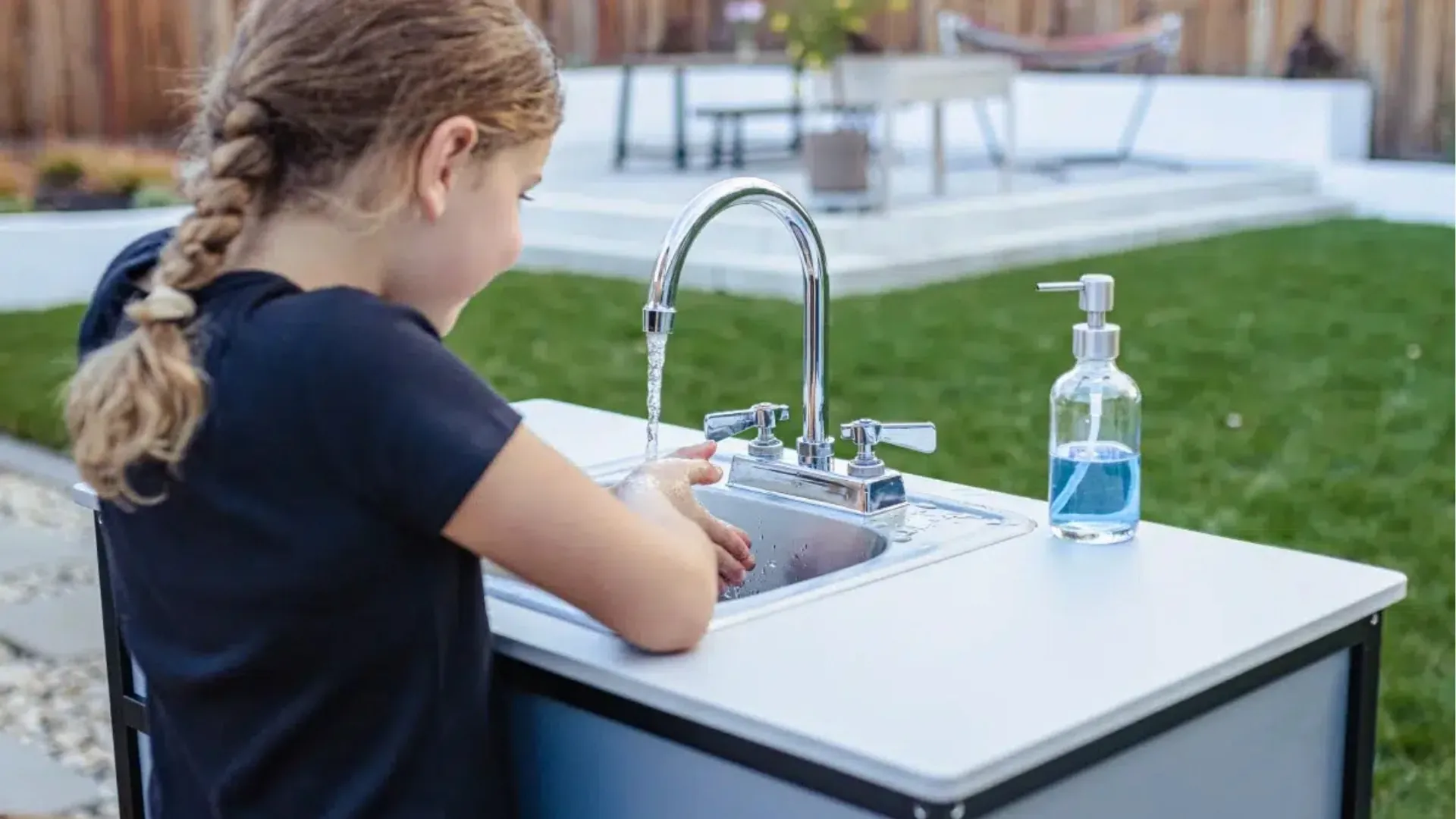
Every job site needs toilets sized to headcount, not guesswork. OSHA 1926.51(c) is the rule that matters here: one toilet seat for 20 workers or fewer, then one seat and one urinal per 40 workers as the crew grows past that, scaling again at 200 or more. A standard porta potty rental holds 60 to 70 gallons and stands about 92 inches tall, which covers most crews without crowding the layout. Bigger sites in downtown Albany often add a deluxe flushable porta potty for foremen and office staff, and any site with a female crew member should figure at least one accessible unit under ADA Standards 213.2, which requires 5 percent of a cluster to be accessible with never fewer than one. You also need potable water on site under OSHA 1926.51(a)(1). If your crew is spraying paint, coatings, herbicides or insecticides, OSHA 1926.51(f)(1) kicks in and washing facilities become mandatory, not optional. Pair that with a handwashing station rental that carries soap and towels, since 29 CFR 1910.141(d)(2) is specific that hand sanitizer alone does not satisfy the requirement.
How Many Porta Potties Does a Construction Site Need?
Crew size drives the count, and the math is simple once you know your headcount. Use the how many porta potties do I need guide as a starting point, then check it against OSHA portable toilet requirements for the exact table. A 15-person crew in Albany typically needs one standard unit under the 20-worker threshold. Push past 20 and you add a seat and a urinal per 40 workers, so a 60-person site is planning for two full fixtures, not one. Servicing follows ANSI/PSAI Z4.3, which sets one visit per week as the baseline for up to 10 users over a 40 hour week, so bigger crews need more frequent pickups scheduled into the job. Sites near Bethlehem, 8.3 miles south of Albany, or Guilderland, 9.7 miles west, run the same math. Delivery adds a fee separate from the unit rental, and a porta potty rental cost breakdown helps you budget both pieces before you call.
Can I Rent a Dumpster and Porta Potty Together?
Yes, and most Albany contractors do exactly that to save a trip and a delivery fee. A roll-off dumpster rental needs about 60 feet of straight clearance behind the truck, so plan the drop zone before the truck shows up on site. Sizes run from a 10 yard dumpster for a small renovation up to a 30 yard dumpster or 40 yard dumpster for a full teardown, and dumpster weight limits matter more than volume once you're loading concrete or shingles. Check what cannot go in a dumpster before you fill it, since certain materials get rejected at the transfer station and that costs you a second trip. Larger sites near Troy, 11.5 miles northeast, often add temporary fence rental around the dumpster and toilet cluster to keep the site secured overnight, and a light tower or temporary power pole rounds out a night-shift setup. Bundling all of it under construction site services usually beats calling three vendors separately.
| unit | day | week | month |
|---|---|---|---|
| standard toilet | $100-$350 | $130-$500 | $125-$325 |
| dumpster | $51-$112 | $426-$778 | $426-$500 |
| storage container | -- | -- | $100-$250 |
Why Do Job Sites Need ADA-Compliant Units?
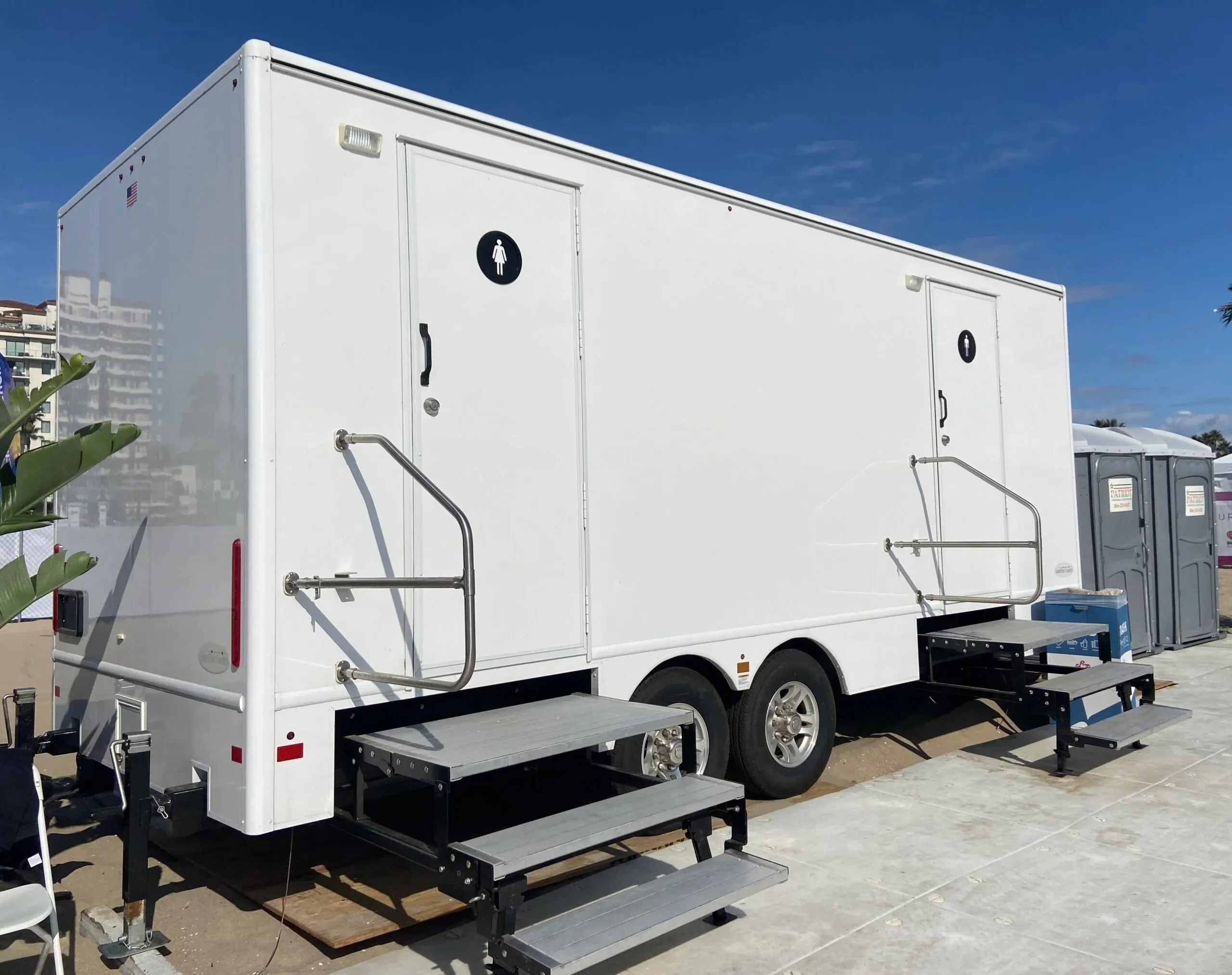
Because the law requires it once you have more than one unit clustered on site, and skipping it risks a failed inspection. ADA Standards 213.2 sets the 5 percent minimum, and the accessible unit itself has to meet real dimensions: a 32 inch clear door opening under ADA 404.2.3, a 36 inch clear route under ADA 403.5.1, and a 60 inch turning circle inside under ADA 304.3.1. Reach ranges matter too. ADA 308.2.1 caps the forward reach at 48 inches high and 15 inches low, and door hardware has to work one-handed under ADA 309.4, no tight grasping or twisting. Floors need to be stable and slip resistant per ADA 302.1, which matters on a muddy Albany job site more than almost anywhere else. Sites running a full restroom trailer rental, whether a 2 stall or 4 stall unit, need the same accessibility built in. Check ADA restroom requirements before your permit review, not after, and browse the full portable toilet rental lineup to compare standard against accessible before you order.
How much does portable toilet rental cost for a construction site?
A standard unit runs $100 to $350 a day, with weekly rates between $130 and $500 depending on term and service frequency. Delivery adds a separate fee, typically $50 to $150 for a week-long job. Monthly rentals run $125 to $325 per unit. See porta potty rental per day for daily specifics.
Do construction sites need more than one toilet type?
Often, yes. A crew over 20 needs additional fixtures under OSHA 1926.51(c), and any site with mixed crews needs an ADA-accessible unit per ADA 213.2. Many Albany contractors add a deluxe unit for supervisors and keep standard units for the general crew.
What OSHA rule governs portable toilets on a construction site?
OSHA 1926.51(c) sets the ratio: one toilet for 20 workers or fewer, scaling up as crew size grows. It applies regardless of state, so a construction portable toilet rental near Texas or California follows the same federal baseline as one in Albany.
Can I get emergency porta potty delivery for a construction site?
Yes. Emergency porta potty rental covers sites that lose a unit to vandalism or need same-week service after a permit surprise. Call ahead with your address and crew count so the right unit size gets loaded on the truck.
Is a handwashing station required separately from a toilet?
Sometimes. If your crew works with paints, coatings or pesticides, OSHA 1926.51(f)(1) requires washing facilities specifically for that contaminant exposure. Otherwise, general sanitation under 1926.51(c) still expects potable water on site per 1926.51(a)(1).
Next step
Get a delivery date
Tell us the address, the dates and the headcount. We size the order and confirm the route.