
How Often Does a Septic Tank Need Cleaning?
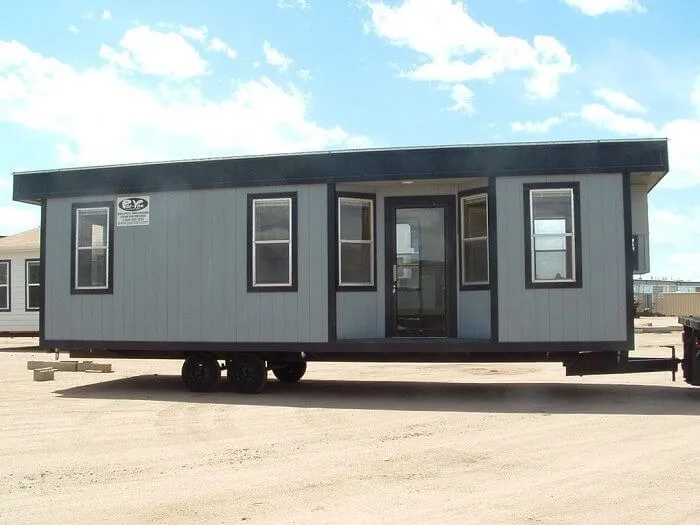
There is no single number that fits every house. Tank size, how many people live there, and how much water goes down the drain all push the interval up or down. A bigger household with a smaller tank might need septic pumping service every 2 to 3 years, while a couple in a house with a large tank can sometimes stretch past 5. The safest way to know is to have someone measure the sludge layer during a routine visit rather than rely on the calendar alone, and our septic pumping service team can do that measurement on the same trip. If your Albany property has a garbage disposal running daily, that adds solids faster than a household without one, and it shortens the interval. Renovation projects also change the math temporarily. If you're mid-remodel and running extra water through fixtures or hosting a crew on-site, pair a home renovation porta potty with your septic plan so the tank isn't carrying more load than usual. Watch for septic tank warning signs between scheduled visits. Slow drains, gurgling pipes, or a soggy patch over the leach field usually mean the tank is fuller than expected, not that something is broken. Catching it early costs less than catching it late, and the porta potty rental checklist is worth a look too if you're managing a renovation alongside the septic work.
What Determines Septic Tank Cleaning Frequency?
Three things drive the schedule: tank size, number of occupants, and water use habits. A typical residential tank runs around 1,000 gallons, and it's usually pumped every 3 to 5 years as noted above, but that range assumes average household water use. Add a hot tub, a large garden irrigation system, or a few extra residents and the fats, oils, and solids build up faster. Commercial kitchens follow a different rule entirely: a grease interceptor gets pumped once fats, oils, grease, and solids reach 25 percent of the liquid depth, which can happen well before any calendar deadline, a fact worth pairing with construction site services planning if you're building out a kitchen. If you run a restaurant or catering operation in Albany, check out grease trap pumping rather than treating it like a residential tank. For general septic tank pumping cost planning, know that the interval matters as much as the tank size when you're budgeting year to year. Homes further from Albany's sewer infrastructure, out toward Guilderland 9.7 miles west or Bethlehem 8.3 miles south, tend to rely on septic systems more heavily, and consistent pumping protects the whole leach field from early failure, and pairing it with a portable restroom rental during any dig-up work keeps the crew covered.
Why Does Skipping a Pumping Cycle Cause Problems?
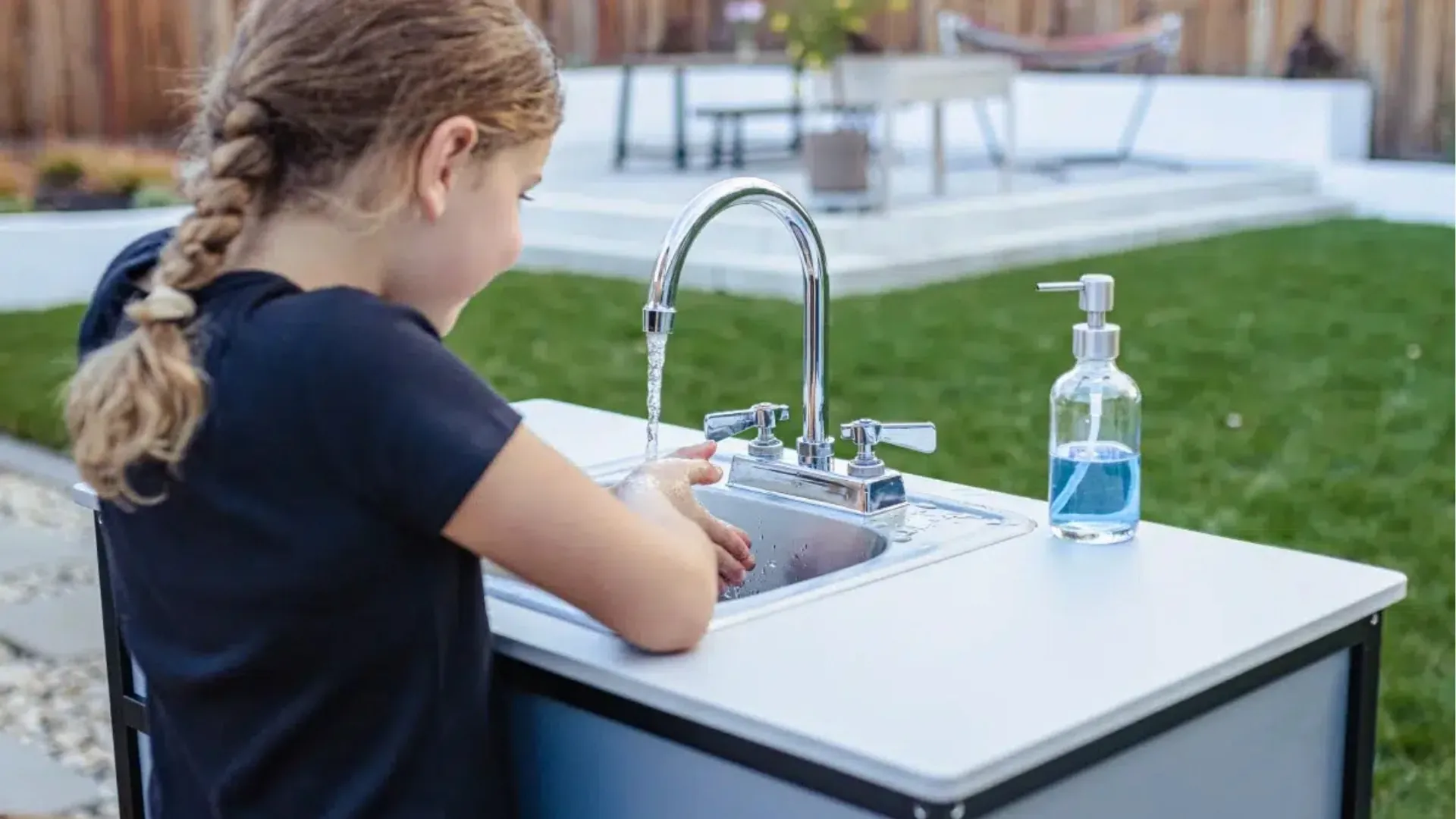
Skipping a cycle lets solids build past the point the tank can hold, and they start moving into the drain field where they don't belong. Once solids clog the leach field, the fix is a lot more expensive than a pumping visit ever is, and sometimes the field needs partial replacement, which is the kind of job that also calls for a roll-off dumpster rental on site. This is the single biggest reason to stay ahead of the schedule instead of waiting for a backup. A full tank also means wastewater has less time to settle before it exits toward the drain field, so anything overflowing skips the treatment process the tank is built for. That is not just inconvenient, it is a straight path to contaminated groundwater, and a handwashing station rental is a smart add for any crew working near an active spill. If your system does back up unexpectedly, don't wait around: emergency septic service exists specifically for that failure point, and getting a tank pumped fast can save a drain field that would otherwise need excavation. For households managing an older tank or working construction near Troy, 11.5 miles northeast of Albany, keeping a holding tank rental on hand during a septic repair keeps the property functional while the real fix gets scheduled, and a temporary fence rental around the excavation keeps the yard safe in the meantime.
Should Albany Homeowners Track Their Own Pumping Schedule?
Yes, and it's simpler than it sounds. Write down the date every time the tank gets pumped and note what the technician says about sludge depth. Over two or three cycles you'll have a real pattern for your specific household instead of a generic guess, similar to how how many porta potties do i need turns a guess into a number for event planning. Keep that record next to other home maintenance notes, and share it whenever you have work done, whether that's a routine septic tank cleaning or a call after noticing septic tank warning signs that don't match the schedule. Homeowners near Clifton Park, 19.0 miles north of Albany, dealing with older systems installed decades ago sometimes find their real interval runs shorter than the standard range once they start tracking it, the same way porta potty rental in Clifton Park customers plan ahead of a busy season. That's useful information, not a failure, and it's worth comparing against the septic tank warning signs page if anything feels off between visits. It just means your household uses water differently than the average the 3 to 5 year range is built around. True Site Porta Potty can help set that first baseline visit and build a schedule from there instead of leaving it to chance, and you can start with a request a quote or browse service areas if the property sits outside Albany proper.
How do I know if my septic tank is due for pumping?
Watch for slow drains, gurgling in the pipes, or standing water near the drain field. Those signs mean the tank is likely close to full. Between symptoms, tracking your last pumping date against the 3 to 5 year range is the most reliable method.
Can I pump a septic tank too often?
Pumping too early isn't harmful, just an added cost with no real benefit. There's no damage from an early visit. Most homeowners find their real interval within a cycle or two of tracking sludge depth at each pumping.
What happens if I never pump my septic tank?
Solids eventually overflow into the drain field, clogging it and forcing wastewater to the surface. That kind of failure often means replacing part of the leach field, which costs far more than routine pumping ever would.
Does household size really change the schedule?
Yes. More people means more water and more solids moving through the tank daily. A larger household with a standard-size tank often needs pumping closer to the 2 to 3 year mark instead of the full 5.
Is a grease trap the same as a septic tank?
No. A grease interceptor is pumped based on fat and solid buildup reaching 25 percent of liquid depth, not a fixed calendar. Restaurants and commercial kitchens should follow that measurement rather than a residential schedule, and can pair that upkeep with a portable sink rental for staff handwashing.
Next step
Get a delivery date
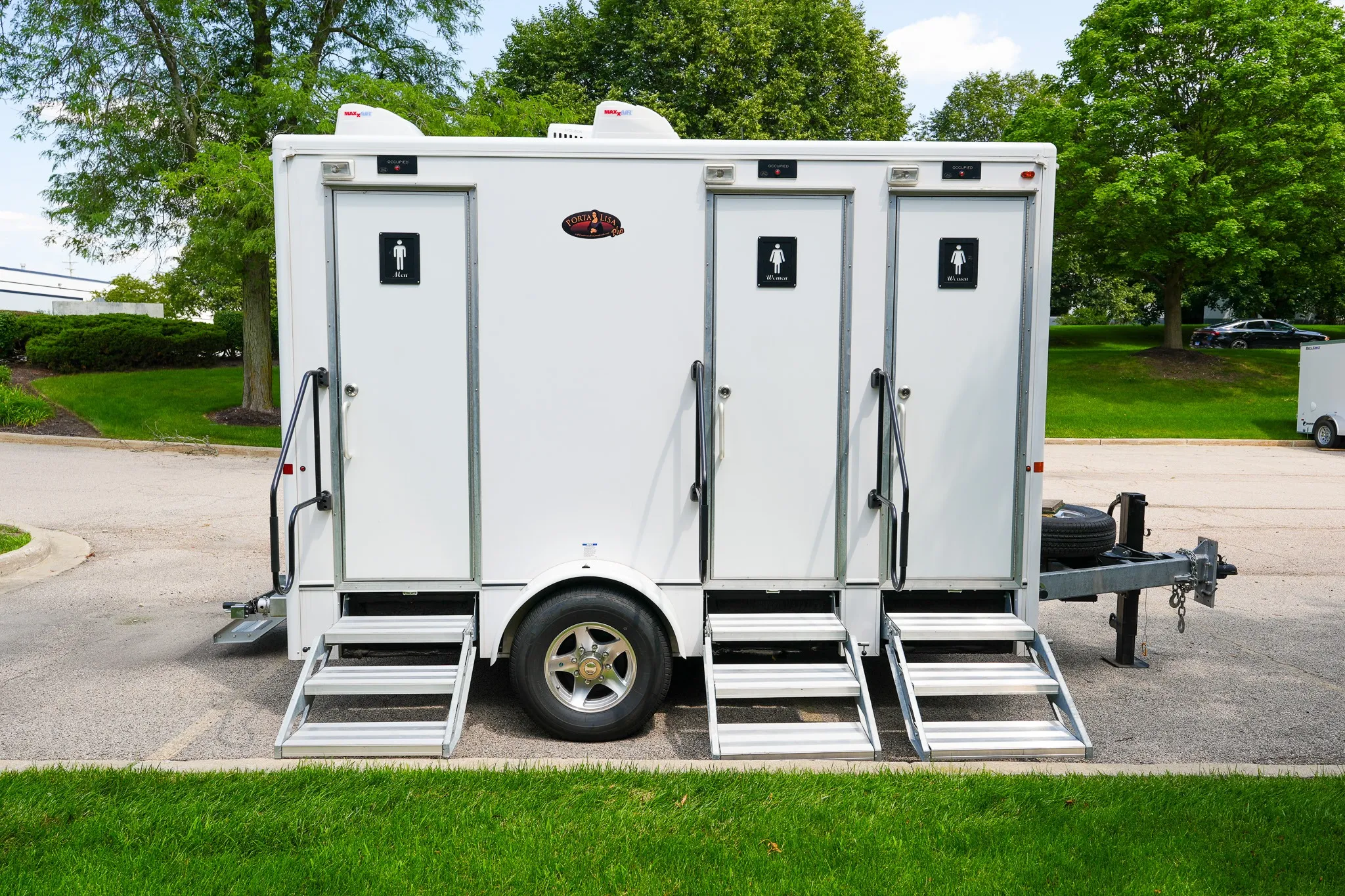
Tell us the address, the dates and the headcount. We size the order and confirm the route.