
How fast can you get toilets out after a flood or power outage?
Emergency response works differently than a scheduled job. True Site Porta Potty keeps stock ready for emergency porta potty rental situations because floods, ice storms and outages in Albany do not wait for a normal delivery window. A roll-off delivery needs about 60 feet of straight clearance behind the truck, so shelter parking lots and staging areas near Albany work better than tight residential driveways. If a shelter is set up at a school gym or community center, we can usually route a truck the same day, and Bethlehem sits 8.3 miles south if a secondary site opens there during a wider evacuation. For agencies coordinating multi-site response, construction site services staging models translate well, since disaster shelters need the same fast-turnaround delivery logic as a job site mobilization.
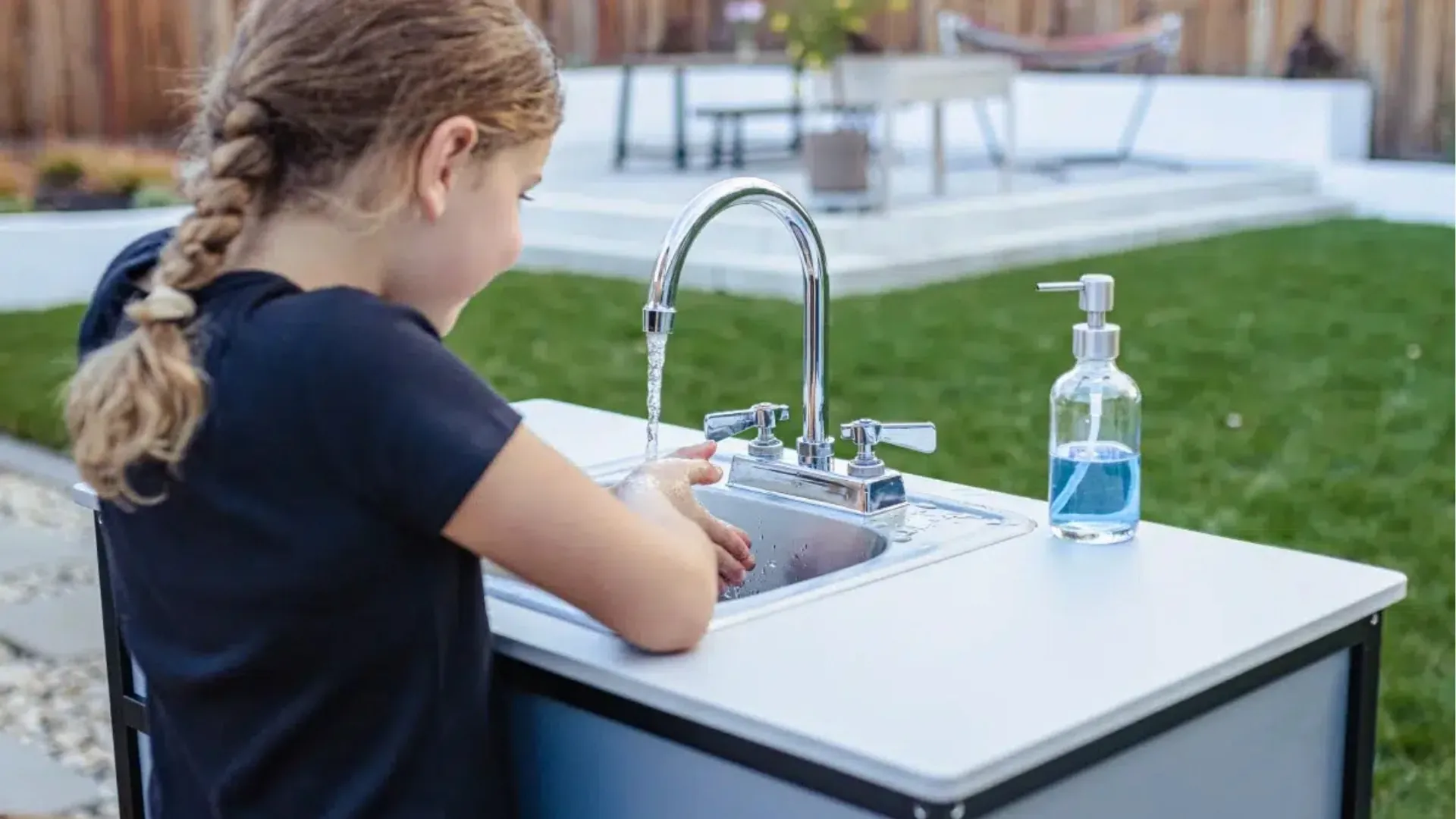
Handwashing matters as much as toilets when water service is down. A handwashing station rental or a simpler hand sanitizer station rental covers a shelter fast, and 29 CFR 1910.141(d)(2) requires soap and towels or a hand-drying device at wash stations, not sanitizer alone, so we stock both. Potable water access matters too. OSHA 1926.51(a)(1) calls for an adequate supply of potable water at any workplace, and a shelter functions the same way for the people staffing it. We also bring portable sink rental units when a kitchen or feeding station needs a wash point separate from the restroom line.
What do disaster shelters and staging sites actually need?
Shelter counts drive equipment counts, and getting that math wrong means lines out the door. OSHA 1926.51(c) sets a baseline of one toilet for every 20 workers on a construction site, and shelter operators often use the same ratio as a starting point for evacuee headcounts, though a shelter is not a jobsite and local health authorities may set a different standard. Our how many porta potties do i need guide walks through the math for any headcount, and it applies whether you are staffing a shelter or running a multi-day cleanup site. ANSI/PSAI Z4.3 sets a baseline service interval of once per week for up to 10 users over a 40 hour week, but disaster deployments run hotter than that and we service more often when a shelter is at capacity.
Accessibility does not get skipped during an emergency. ADA Standards section 213.2 requires that at least 5 percent of a cluster of single-user toilets be accessible, with a minimum of one unit regardless of cluster size, so we always route an ada accessible porta potty into any shelter deployment of meaningful size. The accessible unit needs a 60 inch turning circle per ADA Standards section 304.3.1 and a 36 inch clear route per ADA Standards section 403.5.1, so we look at the actual ground before we drop a unit, not just the headcount. Standard units run 44 by 48 inches on the ground and stand about 92 inches tall, which matters when a shelter is set up under a low awning or inside a parking structure.
Where should units go on a disaster staging site?
Placement decides whether the whole deployment works, and it is not just about flat ground. Our porta potty placement guide covers slope, drainage and truck access, all of which matter more during storm response because ground conditions are often already compromised. If flooding has taken out septic systems in outlying areas, we also run septic pumping service and can deploy a holding tank rental as a bridge until a system is repaired. Troy sits 11.5 miles northeast of Albany and Guilderland is 9.7 miles west, both realistic staging points if a shelter network spans the county rather than sitting in one building.
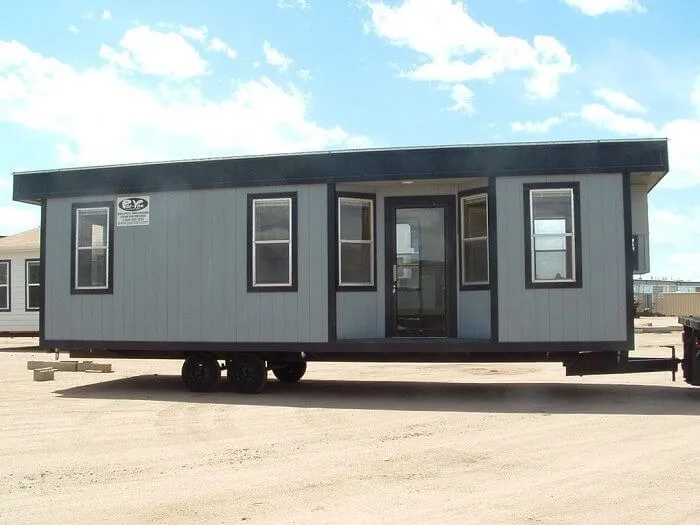
Debris cleanup follows close behind sanitation in most disaster timelines. A roll-off dumpster rental clears storm debris fast, and OSHA 1926.25 covers housekeeping requirements for keeping work areas clear of scrap, which applies directly to a flood-damaged site crew. We also bring temporary fence rental to secure a staging yard, and a light tower rental keeps evening operations visible when power is still out. For agencies managing a longer relief window, a mobile office trailer rental gives coordinators a dry place to work, and storage container rental secures supplies overnight. Pricing for any of this sits well within our published porta potty rental cost ranges even under emergency terms.
How much does emergency sanitation cost compared to a regular rental?
Emergency deployment does not carry a separate price sheet, it uses the same bands as standard service. A standard unit still runs 100 to 350 dollars a day, and a delivery fee typically adds 100 to 150 dollars depending on distance and timing. Weekend response can run higher due to routing.
Can you deliver to a shelter with no advance notice?
Often yes, same day, depending on truck availability and road conditions. Call request a quote or contact directly rather than filling out a standard form, since disaster orders get prioritized differently than scheduled rentals.
Do you provide handwashing stations separate from the toilets?
Yes. A shelter or staging site typically needs both, since 29 CFR 1910.141(d)(2) requires soap and towels at a wash station. We deliver handwashing station rental units alongside toilets, not as an afterthought.
What happens if a septic system fails during flooding?
We pump out failed systems and can bridge the gap with a rented holding tank. See septic pumping service or emergency septic service for response details specific to failed systems.
How many units does a shelter of 200 people need?
Using OSHA 1926.51(c) as a planning baseline, 200 people needs roughly four to five toilet seats plus urinals, adjusted for actual health authority guidance. Our how many porta potties do i need page runs the full calculation.
Next step
Get a delivery date
Tell us the address, the dates and the headcount. We size the order and confirm the route.