
Where should a porta potty go on a job site?
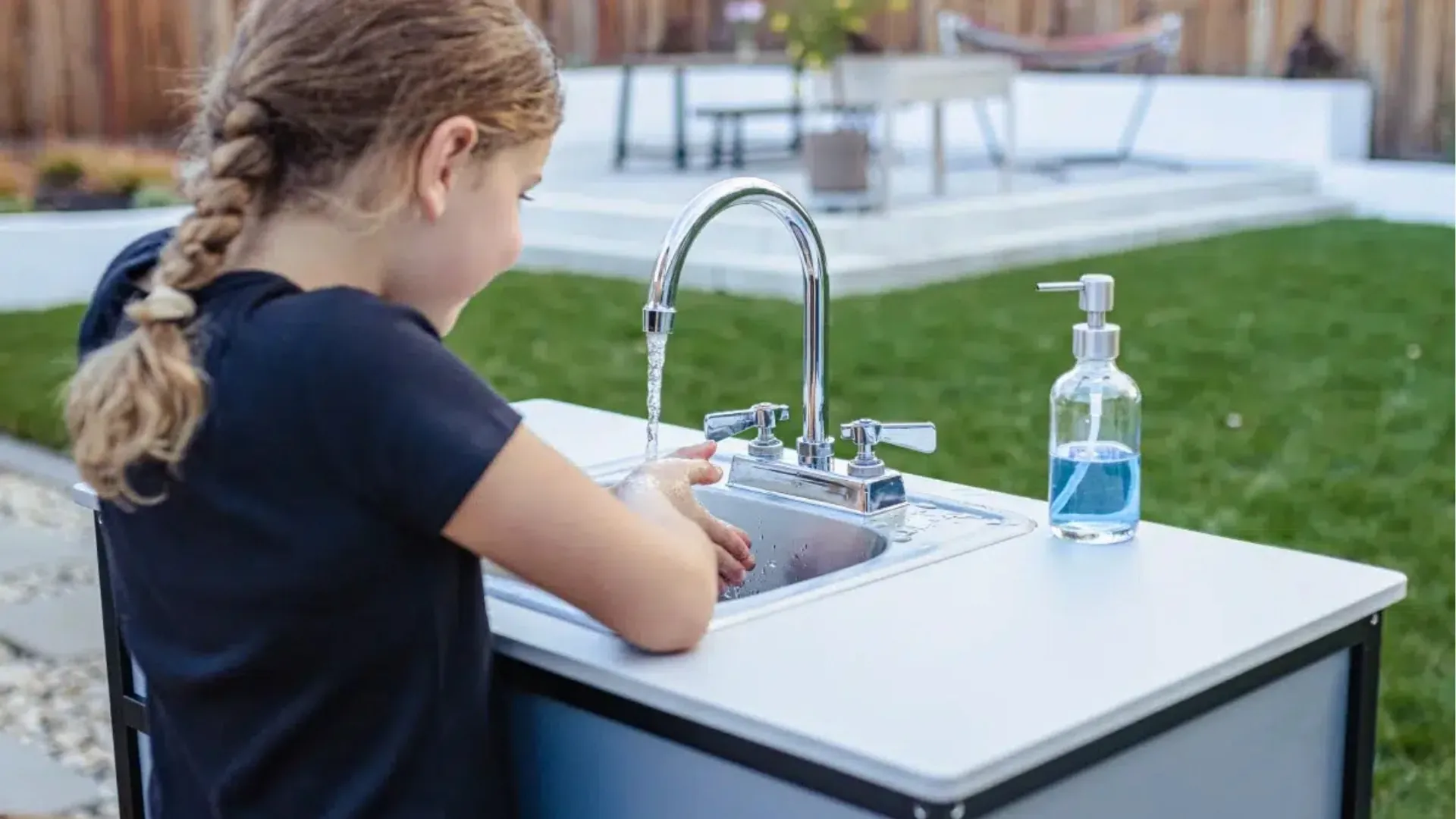
Pick flat, stable ground first. A standard unit runs about 44 by 48 inches on the ground and stands roughly 92 inches tall, so it does not need much footprint, but it does need to sit level or it can shift when someone opens the door. Keep it off soft turf if you can. Gravel, pavement, or compacted dirt work best, and ADA Standards section 302.1 calls for surfaces that are stable, firm and slip resistant, which matters even more if you are placing an ADA accessible porta potty. Leave a clear path to the unit at least 36 inches wide, per ADA Standards section 403.5.1, and check the door swing against ADA Standards section 404.2.3, which sets a 32 inch minimum clear opening. Sun and wind matter too. In Albany, units facing away from prevailing wind smell less and freeze less in the winter months, which is worth reading about on our porta potty in winter page before a January delivery. Porta potty placement rules on a job site also cover the handwashing setup nearby, so if you are pairing a unit with an ozark river portable sink style station, keep both on the same firm pad and ask about replacement parts availability if a pump or spout on the sink ever needs swapping. If you are planning a full layout for a build, our porta potty placement guide pairs well with the broader construction site services rundown for how restrooms fit next to dumpsters, fencing and power.
How much clearance does the delivery truck need?
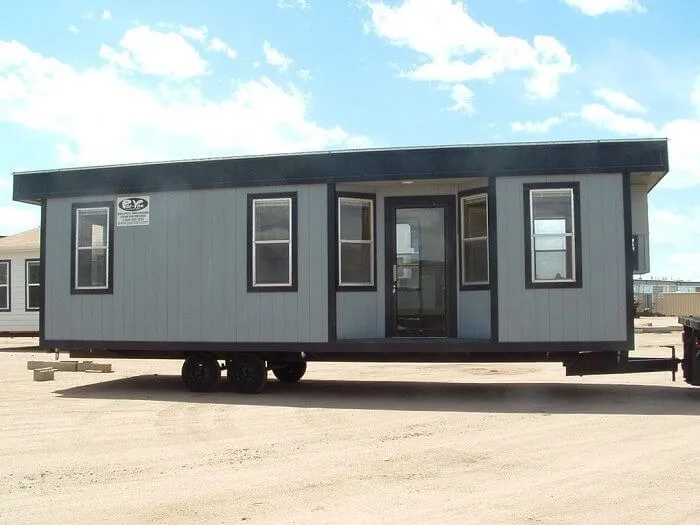
Our trucks need real room to maneuver, not just room for the unit. A roll-off delivery needs about 60 feet of straight clearance behind the truck, and while a porta potty delivery truck is smaller, the same logic applies: give the driver a straight shot in and a straight shot out. Tight downtown Albany lots sometimes force a walk-in placement, where the unit gets rolled or carried the last stretch by hand. That is worth flagging when you request a quote so we bring the right equipment. If your site also needs a roll-off dumpster rental or a storage container rental, plan both drop points together, because both need that same clear approach and neither can share a spot with parked equipment on service day. If you are running a mobile office trailer rental on the same lot, check the trailer doors before move-in; a unit with a bent frame or damaged replacement doors will not seal right through an Albany winter, so flag it at delivery rather than after the site is running.
Is a permit required to place a porta potty on the street or sidewalk?
Placement in the public right of way needs confirming with the City of Albany before delivery day. We are not going to guess at a fee or a code number here, because permit rules and dumpster placement permit costs vary block by block and change without much notice. If your unit sits entirely on private property, on your own driveway or job lot, this usually is not a concern. If it has to sit on a sidewalk, curb lane, or any city-owned strip, call the city first. The same caution applies to a temporary fence rental or a dumpster placement permit situation, since both can trigger the same right of way question. Our porta potty permit requirements page walks through what to ask the city clerk, and we would rather send you there than invent an ordinance number that might be wrong by the time you read this.
How many units and how far apart should they be spaced?
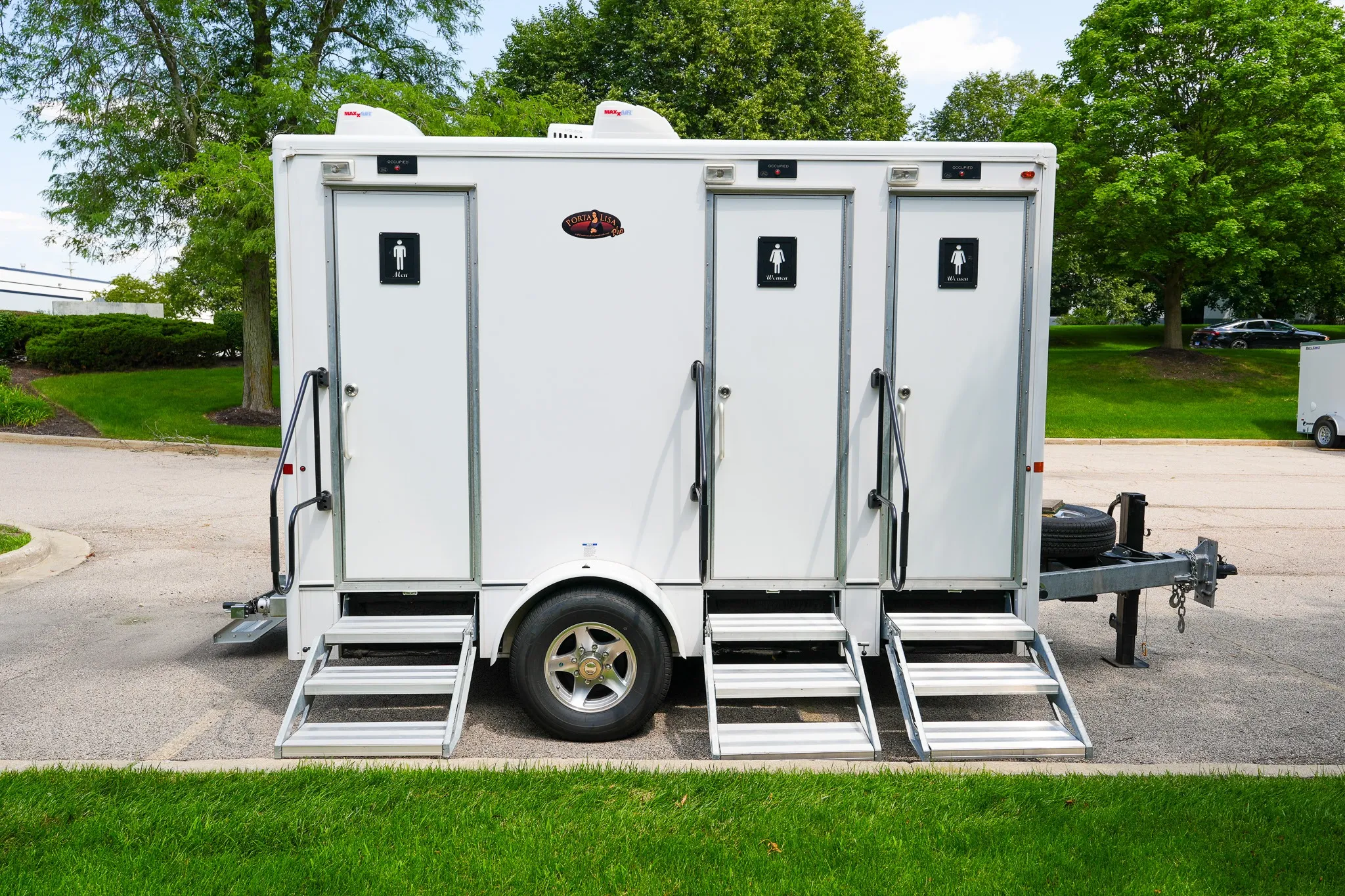
Crew size drives unit count more than site size does. OSHA 1926.51(c)(1) sets the baseline for construction sites: one toilet for 20 or fewer workers, then one toilet seat and one urinal per 40 workers once you pass 20, and per 50 once you hit 200 or more. ANSI/PSAI Z4.3 treats one service visit per week as the standard interval for up to 10 users over a 40 hour week, which is a good starting point for scheduling once units are placed. ADA Standards section 213.2 requires that at least 5 percent of a cluster of single-user units be accessible, with a minimum of one, so if you are placing six or more standard units, put an ADA unit in the group and give it its own 60 inch turning circle per ADA Standards section 304.3.1. Space units 10 to 15 feet apart where you can, so the service truck can access each one without repositioning. Our how many porta potties do i need page runs the math for your crew count, and the OSHA portable toilet requirements page covers the ratio table in more detail than we can fit here. For handwashing near the units, 29 CFR 1910.141(d)(2) requires soap and towels or a hand dryer, not sanitizer alone, which our handwashing station rental units are built to satisfy.
How much does porta potty placement cost in Albany?
Placement itself is usually included in the delivery fee, which measured data puts between $100 and $500 for a single trip depending on distance and access. See our porta potty rental cost page for the full breakdown by unit and duration.
Can a porta potty sit on grass or dirt?
Yes, if the ground is dry and reasonably firm. Wet grass or loose dirt risks a tip-over and a stuck service truck. Gravel pads or plywood under the unit solve most soft-ground problems on Albany sites.
Does the unit need to face a certain direction?
No code requires it, but facing the door away from prevailing wind cuts down on smell and keeps the door from catching gusts. It also helps in winter, covered on our porta potty in winter page.
What if my site has no flat ground at all?
We can often build a level gravel pad or use leveling blocks on delivery day. Tell us about slope when you request a quote so the driver brings the right materials.
How close can a unit sit to a building entrance?
Close enough for convenience, far enough to keep the service truck's path clear. A rough rule is at least the truck's turning width away from any doorway, confirmed on-site by the delivery driver.
Next step
Get a delivery date
Tell us the address, the dates and the headcount. We size the order and confirm the route.